A diagnostic firm built the way its diagnostics are built: measured, sourced, and accountable to the number.
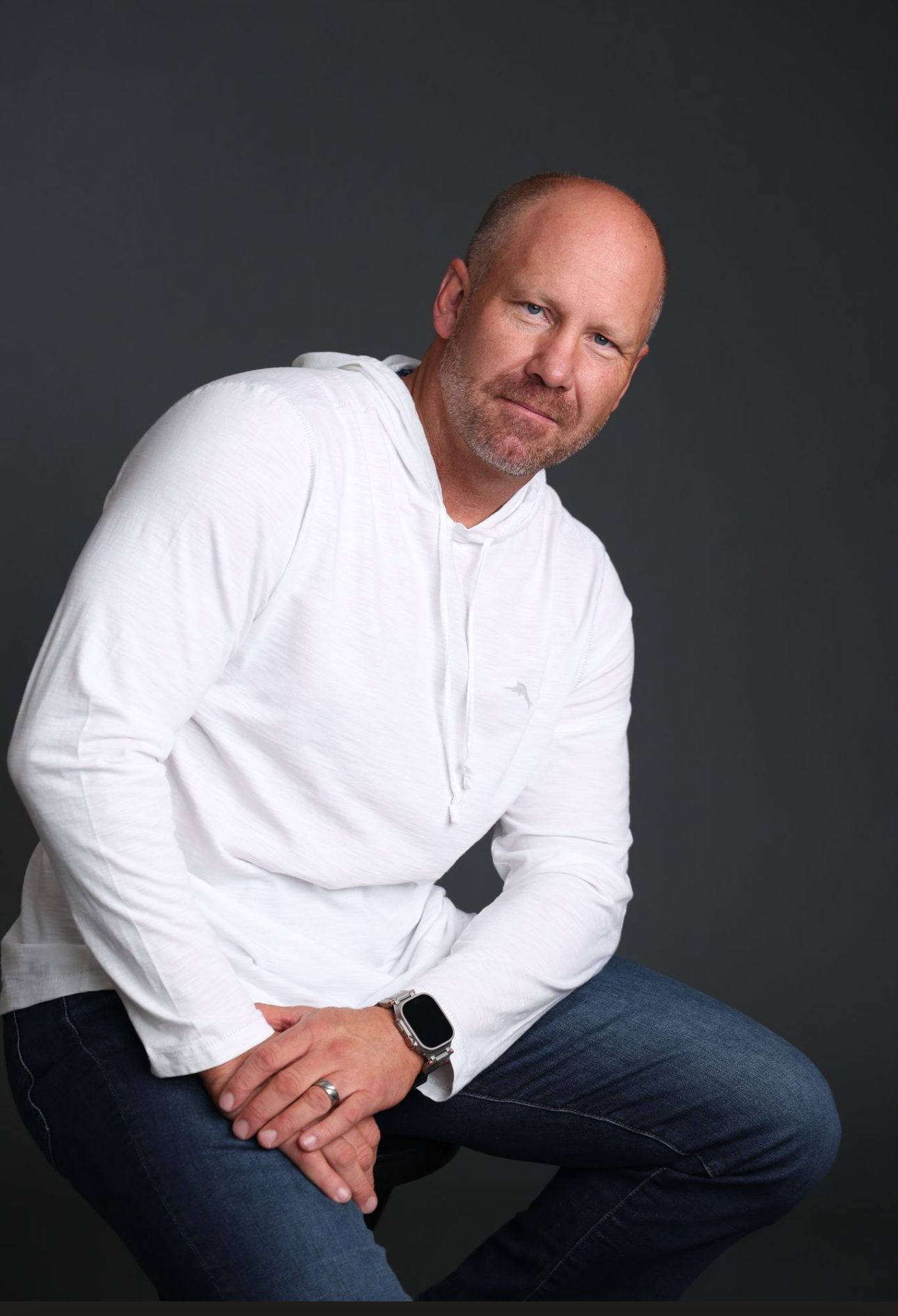
Fulcrum & Co. is the precision-diagnostic practice of Ryan Erickson — two companies built from zero and exited, both successful; COO of a 275-person organization whose revenue doubled in three years; 25+ years operating; 20+ CEOs mentored, from pre-revenue founders to the leadership of his largest client, a company clearing $2 billion this year.
The clearest single arc in the advisory record: a SaaS company stuck at $50 million for three years, spending millions a year in sales and marketing against a churn problem it knew it had — while the causes sat in departments no single seat could see. Churn fell from 22.5 percent a month to under 2 percent one month after the whole field was read at once. $100 million in eight months. $800 million three years later, and a $1.7 billion trajectory today. The full telling →
The firm exists because Ryan kept meeting the same pattern in the field: companies stalling or breaking on exposures they were fighting in the wrong place — while the cause sat in their own data the whole time, measurable, dateable, and priced.
Why “Fulcrum.”
Give a lever the right point to rest on, and a small force moves something far bigger than itself. The companies we work with rarely need heroic change — the company in the story turned its entire trajectory on a handful of small changes none of its teams would have called hard. What they needed, and what most companies never get, was placement: knowing exactly where the small moves go. The diagnostics exist to find that point. The name is the promise.
Deliberately small. Deliberately senior. Deliberately independent.
Every finding, every deliverable, every number is reviewed by him before it reaches a client. Nothing auto-sends. Ever.
Every finding carries its figure, its source, its metric, its threshold, and the named research behind the threshold — reconstructable by your CFO, your board, or a Q-of-E firm. If a number isn’t known with confidence, the report says so. Admitting uncertainty beats manufacturing confidence, every time.
The firm holds no placement, transaction, implementation, or recruiting economics on any engagement. There is exactly one revenue stream: the fee you pay for the diagnosis.
“Demonstrated, not claimed” isn’t a tagline here; it’s an editorial gate every artifact passes before it ships — including this website.
The SaaS company in the story — $50M flat for three years, tracking to $1.7 billion in year four — is one arc, not the only one. A professional-services firm engaged at $100 million is now at $600 million, after restructuring decision rights, succession depth, and the move from founder-driven to system-driven. And Ryan’s largest client clears $2 billion this year. The honest note belongs out loud on every one of them: Ryan doesn’t take credit for the revenue. The founders and their teams did the work. He found the constraint compounding against them and told them how to remove it. Client identities are confidential, always.

The shoulders the method stands on.
The instruments are anchored in named, published work: John Warrillow’s transferable-value and founder-dependency research. Aswath Damodaran on revenue quality and valuation. Bain’s decision-effectiveness research (Blenko, Mankins, Rogers). Marshall Goldsmith on letting-go capacity. Ron Carucci on executive performance and derailment. Patrick Lencioni on team coherence. Geoff Smart’s scorecard discipline. The Exit Planning Institute’s Value Acceleration Methodology. Robert Slee’s private capital markets work. We name our sources because we expect you to check them.